


What’s the Deal with GAP Insurance?
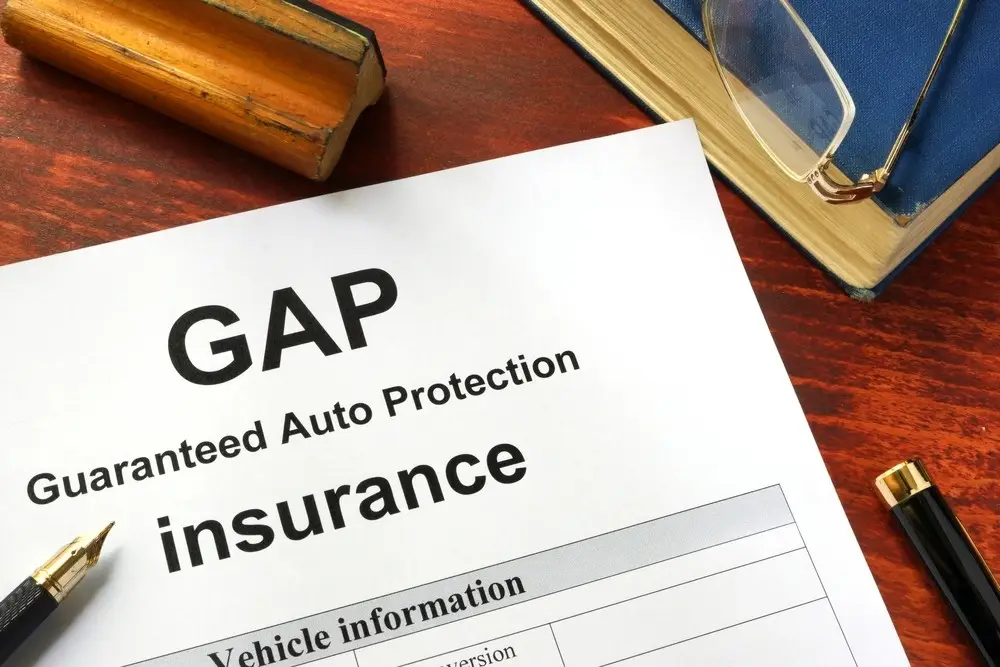
Ever get that itching fear when buying or leasing a new car that it could get completely totaled? It happens to people all around the country, sometimes as quickly as in a couple of days. We can’t control other drivers on the road or their driving habits, and when we least expect it we may find ourselves in a collision. Hopefully all passengers and the driver made it out okay, but what about the car? That thing is kaput, and now you have car payments to make on a useless hunk of junk on wheels and a new car to replace it – unless you have GAP insurance.
What’s the Deal with GAP Insurance?
GAP stands for “Guaranteed Asset Protection,” but most refer to it as total loss protection. That is to say, if leasing or financing a vehicle, and it gets totaled, GAP is there to help. If a collision results in a car being totaled, typically, auto insurers reimburse the insured customer with a sum of cash that is equivalent to the value of the vehicle at the time of the incident, and that can be a problem to people whose loan balance is higher than the value of their vehicle.
For instance, if someone financed a new car for $35,000, and a year later the value of the vehicle is $28,000 and then it is totaled, the auto insurance will reimburse the insured customer $28,000. If that person’s loan has a balance of $30,000 at the time of the incident, the person will need to pay the remaining $2,000 that the $28,000 insurance check did not cover – otherwise known as the gap. Sure, the driver may have lost the car and the payments they already made, but they aren’t responsible for forking over more money they do not have, which is especially important because they will also need to get a new vehicle and that’s what makes opting for GAP insurance a wise choice for most customers, especially if:
– Purchasing or leasing a new vehicle
– Purchasing a costly vehicle
– Financing a vehicle without a large down payment (lending to a large monthly payment)
– Don’t have the savings to cover the amount owed after auto insurance kicks in
Now, you may be wondering the cost of GAP insurance, and if there are any different types of GAP insurance or where to purchase it. GAP insurance is offered when signing a contract for purchasing, financing, or leasing a vehicle from a dealership. But just like auto insurance, someone purchasing a plan or package can shop around to find the best plan for their budget. Meaning, one doesn’t have to sign off on GAP insurance prior to purchasing the vehicle – if the drive home is a little sketchy or a ways away, then do what you think is best.
Otherwise, one can go to other lenders and unions that may offer GAP insurance for as little as $300/year. Auto insurance agents have been known to add it onto a current insurance plan for just $20 more a year. Basically, GAP insurance is a worthwhile investment, but getting it the day you drive off the lot isn’t a huge priority. You have time to make an informed decision and the right choice for you.
Have any stories where GAP insurance saved you a bundle? Or maybe a story where you wish you knew about GAP insurance? Let’s talk about it on social media.