


Reshaping Mitsubishi Under Takao Kato’s New Leadership
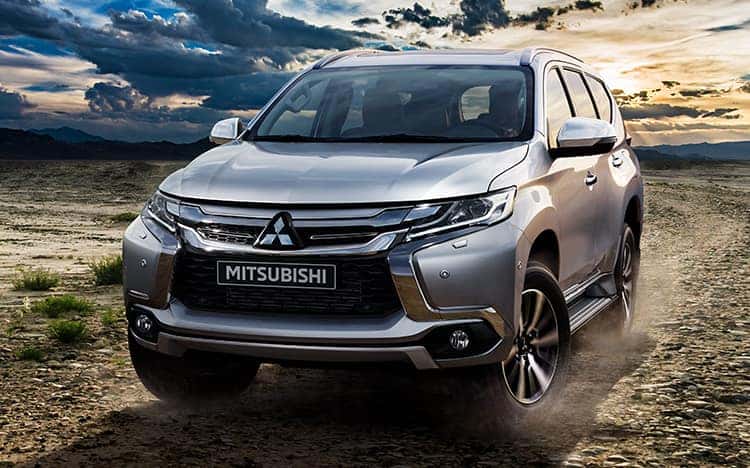
Mitsubishi Motors Corporation is entering a new era under the leadership of Takao Kato, who will succeed Osamu Masuko as CEO on June 2, 2019. Kato, currently president of Mitsubishi’s Indonesian operations, will prioritize profitability and a refined product strategy, emphasizing “small but beautiful” growth.
A New Era for Mitsubishi
Kato has confirmed that Mitsubishi will not abandon the North American market, recognizing its significance within the Renault-Nissan-Mitsubishi Alliance. This powerful partnership leverages the strengths of each brand, allowing for shared development of technologies, platforms, and resources.
“Sales are being continued. North America is one of the biggest markets. Therefore, exiting from the sales market would probably not be an option.”
–Takao Kato
Kato plans to implement a mid-term business plan before April 2020, outlining his vision for the automaker’s future within the Alliance framework. This plan will likely involve a strategic product overhaul, focusing on differentiating Mitsubishi’s offerings within the competitive SUV segment while leveraging the synergies of the Alliance.
Reshaping the SUV Lineup
Will Mitsubishi’s SUV Strategy Succeed?
Mitsubishi aims to create greater distinction between its core SUV models – the Outlander, Outlander Sport, and Eclipse Cross. This will involve increasing the size disparity between these vehicles.
- OUTLANDER EXPANSION: The next-generation Outlander is expected to grow in size, potentially moving closer in dimensions to the Nissan Rogue. This increase in size will allow for enhanced interior space, improved ride comfort, and the potential for more advanced features.
- OUTLANDER SPORT DOWNSIZING: Conversely, the Outlander Sport is likely to shrink, creating a more distinct gap between it and the larger Outlander. This downsizing could position the Outlander Sport to better compete in the growing subcompact SUV segment.
- ECLIPSE CROSS REFINEMENT: The Eclipse Cross is likely to receive a modest size increase to differentiate it from the Outlander Sport. This will allow it to maintain its distinctive coupe-like styling while offering improved interior space and practicality.
This strategy, inspired by the successful sizing of Nissan’s Rogue and Rogue Sport, will create clearer market positioning for each model.
Electrification Across the Lineup
Electrification will be a key focus for Mitsubishi’s future product strategy. Indeed, Autocar reported that a “senior source” claimed, “We will not have a unique nameplate, but instead offer the appropriate electrification options for the vehicles and how people will use them.” Consequently, the next-generation Outlander PHEV will feature an enhanced powertrain with increased electric range, building upon the technology showcased in the Engelberg Tourer Concept.
The Eclipse Cross will also receive hybrid and plug-in hybrid variants. Moreover, the Outlander Sport is slated to receive a battery-electric option, demonstrating Mitsubishi’s commitment to offering electrified powertrains across its model range.
Direct Attention to Profitability and Sustainable Growth
Kato’s “small but beautiful” strategy emphasizes steady and sustainable growth over aggressive market share gains. This approach prioritizes profitability and long-term viability within the context of the Renault-Nissan-Mitsubishi Alliance.
Gear Up with University Mitsubishi!
Visit us today to explore our Outlander inventory. Check out our pre-owned vehicle specials for a bargain price.
Photo Credit: mitsubishimotors.com