


Compact vs Subcompact Cars: Which Size Is Right for You?
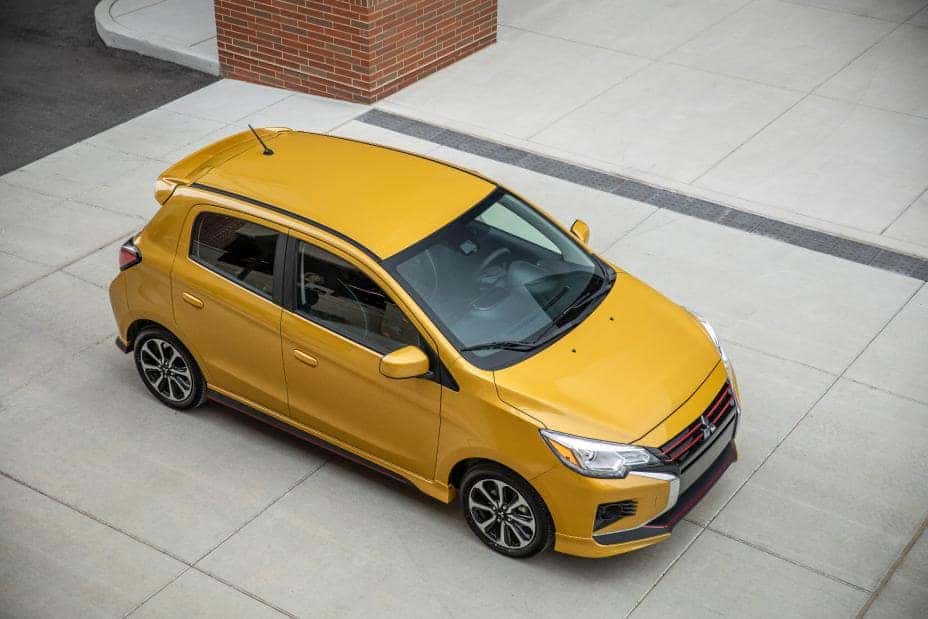
Photo Source/Copyright: Mitsubishi
Compact vs. Subcompact Cars: Which is Right for You?
When shopping for a new vehicle at University Mitsubishi, one of the most common questions buyers face is how to distinguish between different vehicle segments.
While they may look similar at a glance, the choice between a compact vs subcompact car comes down to specific EPA classifications based on interior volume. Understanding these differences is the key to finding a vehicle that fits both your driveway and your lifestyle.
Understanding the Subcompact Car
A subcompact car represents the smallest category of passenger vehicles on the market today. According to EPA standards, a vehicle is classified as subcompact if it offers between 85 and 99 cubic feet of combined passenger and cargo volume.
These vehicles are designed with a primary focus on efficiency and urban agility. Because of their smaller footprint, subcompacts offer:
- Excellent fuel economy
- Lower price points (ideal for first-time buyers or students)
- Superior maneuverability in tight city traffic
Trade-off: Limited rear-seat legroom and a smaller trunk may be a drawback for those who frequently transport adult passengers or bulky gear.
The Versatility of the Compact Car
Moving up one tier, a compact car offers a step up in both size and sophistication. These vehicles typically provide between 100 and 109 cubic feet of interior space. This extra room is often distributed where it matters most: the rear legroom and the trunk capacity.
A compact car serves as a bridge between the hyper-efficiency of a subcompact and the larger dimensions of a midsize sedan. For small families or daily commuters, the compact class offers a more grounded, comfortable ride without sacrificing too much fuel efficiency.
Comparing the Tiers: From Midsize to Full-Size
To truly understand the automotive landscape, it helps to see how these classifications are defined strictly by volume:
- Subcompact: 85–99.9 cubic feet
- Compact: 100–109.9 cubic feet
- Midsize: 110–119.9 cubic feet
- Full-size: 120+ cubic feet
While a compact car is better for small families, a midsize car offers even more shoulder room, making it the standard for long-distance travel. Full-size cars sit at the top of the hierarchy, prioritizing maximum passenger comfort and luxury.
Which Should You Choose?
Deciding between a compact vs subcompact car depends on your priorities:
- Choose Subcompact if: You want a low monthly payment, maximum MPG, and easy city parking.
- Choose Compact if: You need to comfortably seat four adults or handle a large grocery haul with ease.
By identifying how much space you truly need for your daily routine, you can choose a vehicle that provides the perfect blend of economy and comfort.
Ready to test drive? Schedule an appointment at University Mitsubishi today!
More From University Mitsubishi
What is a Hatchback Car? Complete Guide
Photo Credit: Mitsubishi Understanding the Hatchback: Space, Style, and Efficiency If you’ve been browsing our lot at University Mitsubishi or flipping through inventory online, you’ve probably seen models that look similar to a compact sedan but feature a restyled rear roofline. It’s one of the most common questions our sales team…
Easy Guide to Replacing Your Mitsubishi Battery
Photo Credit: Mitsubishi Dead Battery in Your Mitsubishi? Here’s How to Fix It Nothing ruins your morning quite like turning the key on your Outlander or Eclipse Cross and hearing a lifeless click. Before assuming you need to buy a brand-new unit, it helps to troubleshoot the root cause. If you simply left…
What the Base Mitsubishi Outlander ES Offers
Photo Source/Copyright: MITSUBISHI What You Actually Get with the Base ES Mitsubishi Outlander Shopping for a three-row crossover without ballooning your budget usually forces you into the used car market. The ES Mitsubishi Outlander breaks that pattern by delivering seven seats right on the entry trim. Over at University Mitsubishi, it stands out as…